Metadata
Sector
- Cybersecurity
- Bot & Fraud Defense
- AI
- AI Agents
Scope
- Design
- Front End Development
- Back-End Development
- API Integration
- SEO & Structured Data
- Agent Discovery Surfaces
Kasada
Kasada protects enterprises from automated attacks, account abuse, and emerging AI-driven threats. Its cybersecurity platform combines bot defense, account intelligence, and AI agent trust so legitimate users can move freely across login, checkout, APIs, and content while unwanted automation stays out.
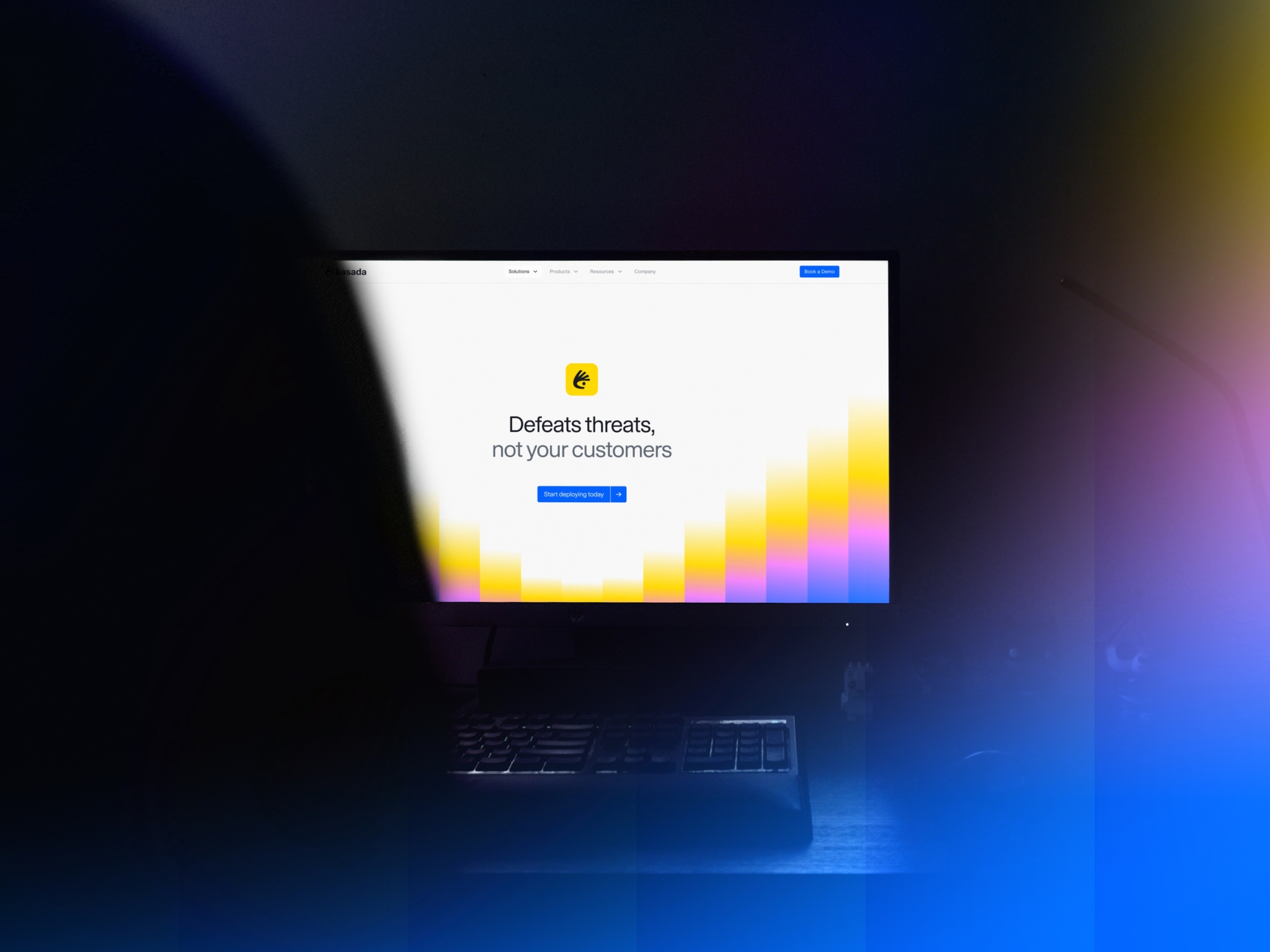
To serve enterprise buyers and intelligent machine consumers alike, Kasada needed a high-performance digital platform capable of exposing structured data for search engines, developers, and AI assistants. Monogram designed and engineered the website end-to-end, combining a Figma-based design system, a modular Sanity CMS, Next.js, HubSpot lead capture, live Lever career listings, and an agent-ready content layer built for both human visitors and LLMs.
Designing a Digital System, Not Just a Collection of Pages
Before development began, Monogram established Kasada's visual and interaction language in Figma. Typography, component patterns, spacing, and layouts were designed as a coherent system to keep product stories, security messaging, and enterprise positioning consistent across the homepage, solutions, resources, and campaign pages.
This design system served as the blueprint for the production component library. By directly linking design to engineering, the components available to marketing editors in the CMS reflected the exact patterns defined in Figma, allowing new pages to preserve high visual quality without requiring custom development for each release.
A Modular Sanity CMS That Marketing Can Own
The website is powered by a modular Sanity CMS architecture, enabling marketing pages to be assembled from structured content rather than rigid, hard-coded templates. Monogram built a flexible section library—including heroes, feature grids, customer stories, FAQs, media, statistics, and product journeys—alongside dedicated content models for blogs, case studies, reports, events, and solutions. Shared settings like navigation, footers, SEO defaults, and site banners are managed centrally as a single source of truth.
This structured content strategy creates the ideal balance between editorial independence and engineering rigor. Marketing teams can freely compose, update, and publish pages in Sanity, while developers maintain strict control over site rendering, performance, web accessibility, and design system integrity.

Next.js Performance Without Sacrificing Editorial Flexibility
The website leverages the Next.js App Router with custom caching and revalidation strategies tailored for a content-heavy marketing platform. This setup provides editors with seamless draft and live preview workflows in Sanity before publishing, while production pages benefit from statically generated routes and optimized asset delivery.
To ensure fast load times, Monogram implemented audit-aware script loading and performance optimizations around hero media, preventing third-party marketing and analytics tools from degrading Core Web Vitals. The resulting architecture allows Kasada to maintain an agile marketing workflow without compromising site speed or technical SEO performance.
Lead Capture Connected to HubSpot
Lead generation is integrated directly into the website’s content architecture via HubSpot. Rather than relying on isolated or hard-coded forms, Monogram incorporated lead capture components directly into the reusable section library, allowing marketing teams to place conversion-focused forms seamlessly across landing pages, product journeys, and campaign surfaces.
This integrated approach keeps form validation and design aligned with the overall site architecture while routing submissions directly into Kasada's CRM. The result is a unified, scalable lead capture experience across the entire digital ecosystem rather than a collection of disconnected form implementations.
Built for Humans and Agents
One of the most distinctive features of the platform is its approach to machine-readable content. Monogram engineered the website not just for traditional browsers, but also for AI assistants, crawlers, developers, and autonomous agents that need to discover and consume technical information programmatically.
Instead of forcing these systems to scrape presentation-oriented HTML, the site exposes structured data and standardized discovery surfaces. This creates a direct, reliable bridge between Kasada's underlying technical knowledge and the machine consumers that need to process and cite it.
Markdown as a First Class Content Format
The website provides clean Markdown alternatives for pages, blog posts, case studies, reports, and resources. Instead of forcing automated systems to parse visual HTML, this structured text format allows content to be consumed directly and efficiently by machines.
To further enhance programmatic navigation, Monogram implemented discovery entry points like llms.txt,sitemap.md, and dedicated documentation. This agent-ready architecture ensures AI assistants, LLMs, and automated tools can easily parse, understand, and accurately cite Kasada’s content.
Agent Discovery Through Standardized Surfaces
An API catalog provides a standardized discovery surface for available HTTP services, allowing automated systems to identify relevant capabilities without reverse-engineering the website.
Results and Business Impact
Kasada needed a website that reflected the technical rigor of its cybersecurity platform while giving its marketing and recruiting teams the flexibility to operate independently.
Monogram delivered:
- A complete Figma design system carried through into production.
- A modular Sanity powered content platform with reusable sections and structured content types.
- A Next.js architecture built around caching, revalidation, preview workflows, and performance.
- HubSpot connected lead capture integrated into the site's content system.
- Live career listings synchronized with Lever.
- Production analytics and advertising integrations with environment and audit-aware loading.
- Markdown representations of key content.
- llms.txt, sitemap.md, and multiple .well-known discovery surfaces.
- An architecture designed to make Kasada's content understandable and consumable by search engines, AI assistants, developers, and intelligent agents.
The result is more than a redesigned marketing website.
It is a structured digital platform that reflects Kasada's own approach to the modern internet: know what to trust, make that information accessible, and build systems that can distinguish signal from noise