Tool calling that lives in the page
Technology
WebMCP is a W3C Community Group draft, not the Model Context Protocol. A page declares tools through navigator.modelContext, and an agent already running in that browser calls them. There is no server, no transport, and no session to negotiate, because the agent is on the same side of the boundary as the code.
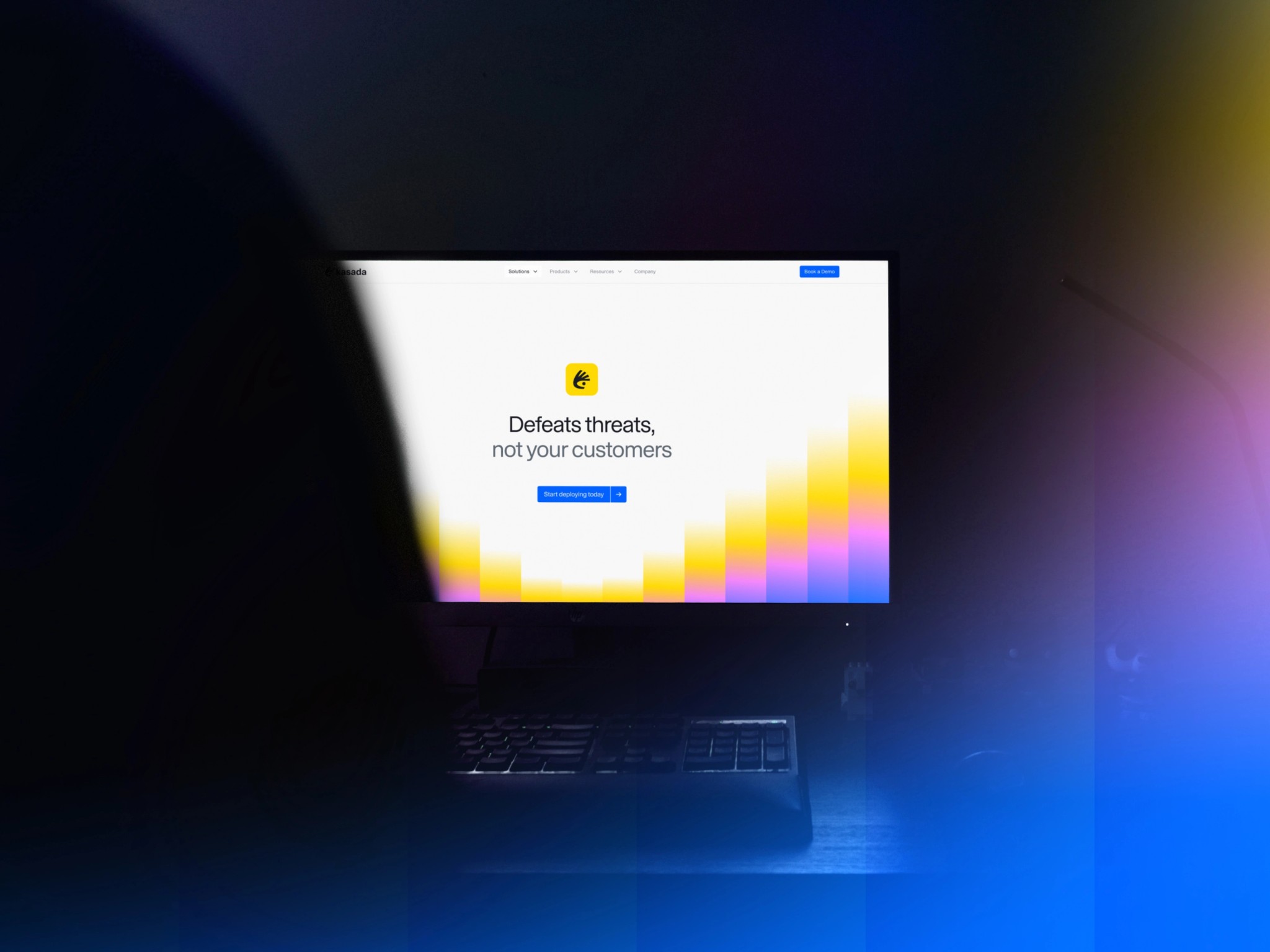
It is available in Chrome Canary and the spec can still change, so we are not building client sites on it yet. What we do build is the layer underneath, and Kasada is where that lives.

The difference
Where it sits, and what we ship today
- The page's session is the agent's session
A server side tool has to be granted access on its own: a token, a scope, an authorization step. A page side tool runs inside the session the user already has. That removes an integration problem and replaces it with a harder question about what an in-browser agent should be allowed to do.
- One content model, two kinds of reader
Kasada's pages are assembled from structured content in Sanity, so the Markdown an agent reads and the page a person reads come from the same source rather than two. A machine readable layer maintained by hand is a layer that goes stale, and a stale one is worse than none.
- It is a draft, and we say so
WebMCP is a W3C Community Group draft, available today only in Chrome Canary. Building a client's site on it now is a bet on a spec that can still change, in a browser their visitors are not running. We track it and ship the standards that have already settled.