AI integrations
Connect AI to the systems you already run
The model is rarely the hard part.
The hard part is the data the model needs. It sits in a contact center, a CMS, backend tables that were never designed to be joined, and APIs that were written for people, not for a model to call.
That is the work we do. Monogram connects AI agents, assistants and search to the systems a company already runs, without replacing them, and designs the interface people use on top.
This page covers connecting AI to existing systems and data. For agents designed and run end to end, see agentic AI.
Integration proof
100%
Of Delta customer conversations made answerable in plain language, stitched together from five backend systems. A hand review covered under 1%.
92%
Successful end-to-end bookings by a voice agent added as a new path inside Delta's existing Amazon Connect setup.
68% to 88%
Source recall on the monogram.io assistant after we rebuilt its ingestion around header aware chunking and contextual retrieval.
1 index
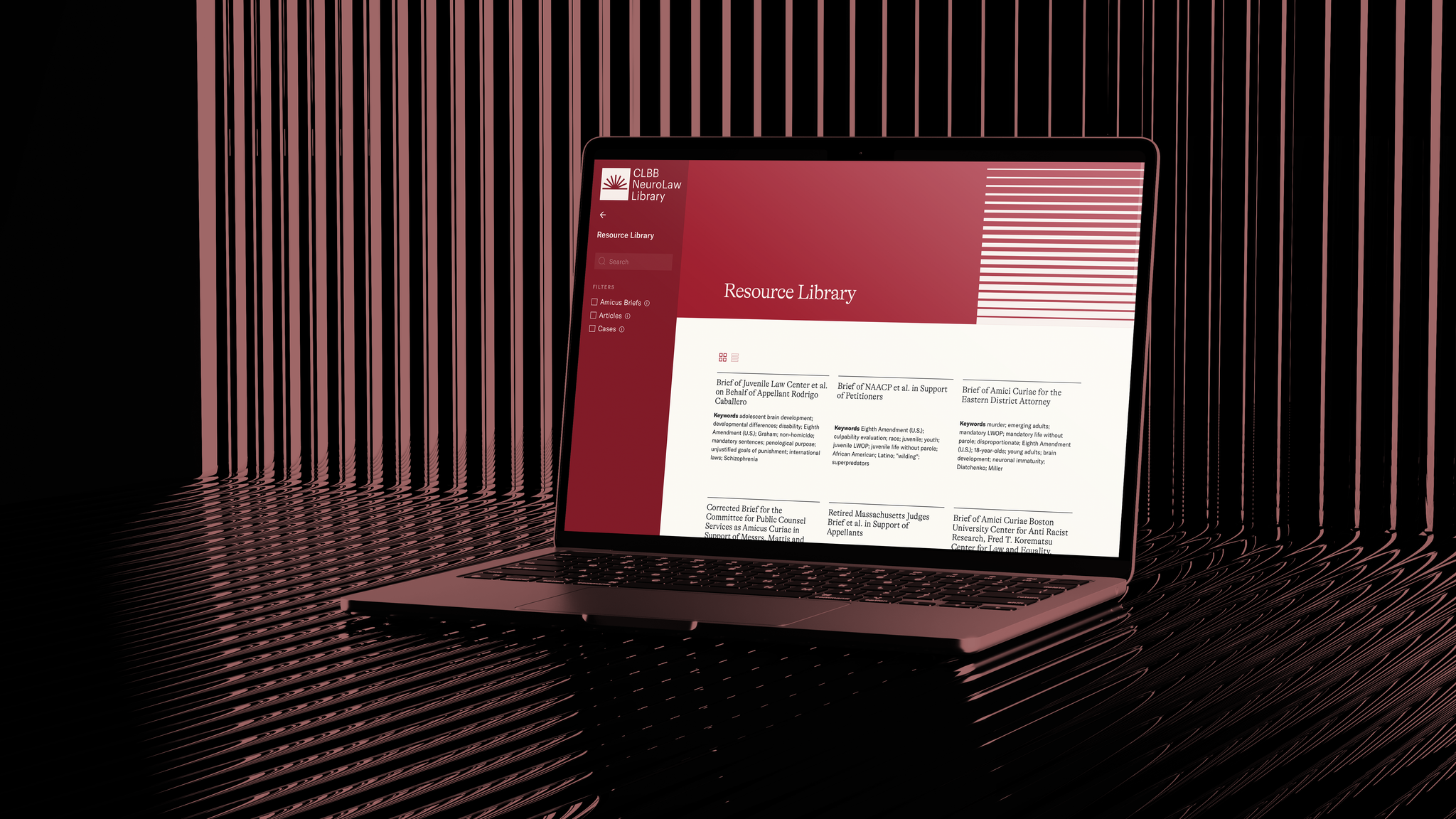
Searching articles, amicus briefs, court cases and expert affidavits in Harvard's CLBB NeuroLaw Library, with semantic and keyword matching combined.
What we deliver
Agents that work through the APIs you already have instead of around them. Delta's booking agent searches live inventory, sends a secure payment link by text and confirms the reservation through Delta's own Payment API while the caller stays on the line. The AI never touches payment data. Read the Delta booking agent case study.
How we connect AI to systems that were not built for it
- Stitch the data first
One Delta conversation lived in five systems. We mapped the shared key and built one timeline before any model scored it.
- Keep the systems of record
Delta's booking agent runs as a new path inside its existing Amazon Connect setup. Connect and the existing APIs stay in place.
- Retrieve wide, then rank
We chunk at section boundaries and pair semantic with keyword search. Rebuilding our assistant's ingestion this way is what raised its source recall.
- Cite what was retrieved
On our assistant, citations are built from the chunks retrieval actually returned, not from whatever the model says it used.
- Code for deterministic steps
PII redaction, ID mapping and schema validation run as code. They cost zero tokens and behave the same way on every run.
- Review before it publishes
NeuroLaw's AI rewrites land in a Contentful draft, and anything that was not clean when the job started waits for an editor.
Where we push back
Real time is not always the right shape. Delta's journey analysis runs as a scheduled batch because reporting and trend questions do not need per-second answers, and batch keeps model costs predictable.
The stack
On AWS we have built with Bedrock, Bedrock Knowledge Bases, AgentCore, Amazon Connect, Lex, Transcribe, Lambda and DynamoDB. On Google Cloud we have built with Vertex AI Agent Engine, Cloud Run and BigQuery.
For retrieval we run Typesense, Pinecone and Tavily, with models from Anthropic, Google and OpenAI. Orchestration runs on LangChain, LangGraph, AWS Strands, Google ADK and the Vercel AI SDK.
Design sits in the same team. For the NeuroLaw Library we did the branding and UI/UX as well as the LLM integration and search.
Common questions
Yes, without replacing them. On Delta's booking agent, the agent was added inside the existing Amazon Connect setup, verified callers through Delta's own lookup system and confirmed bookings through Delta's Payment API. On Delta's customer journey platform we joined five separate backend systems into one record per conversation.
Connect AI to the data you already have.
Tell us which systems hold the answer and who needs to ask for it. We will tell you what the integration would take, and whether it is worth building.
Talk to an AI systems engineer