Take Webflow's editor, leave Webflow's runtime
Technology
Webflow wants to be the whole site: the design tool, the CMS, the hosting, and the interactions layer. The more interesting move is to take one part of it and render the rest yourself.
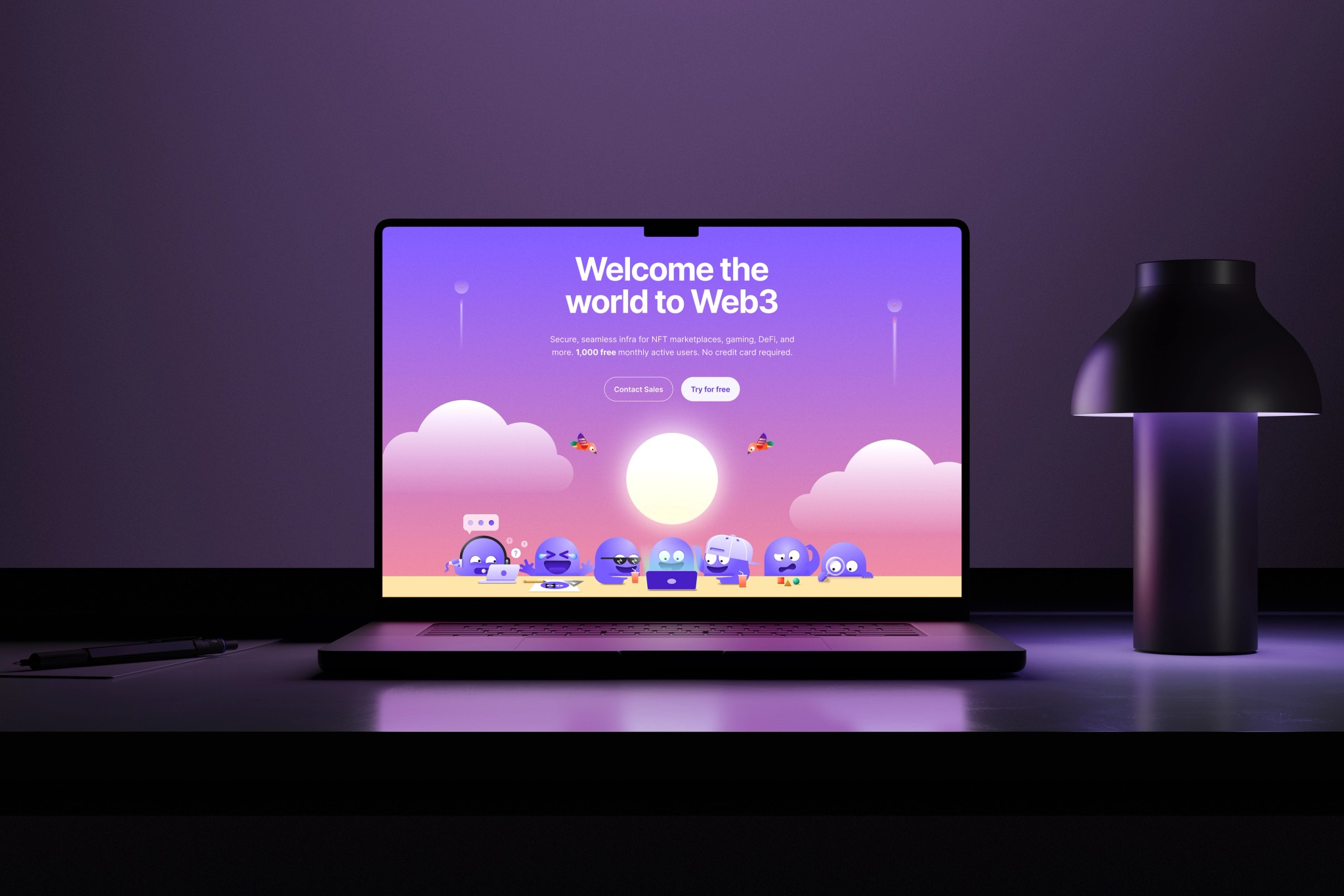
For Magic's landing page we ran Webflow as a headless CMS behind a Next.js front end. Designers and copywriters kept the visual editor they wanted. The pages shipped as a static Jamstack build, so the site stayed fast and stayed easy for search engines to read.

The split
Why we split Webflow in half on Magic
- You are keeping the editor, not the page
Headless Webflow means the Designer canvas stops being the thing a visitor loads. Layouts, breakpoints, and Webflow's own interaction effects do not travel with the content. What travels is structured fields, which is the part worth keeping and the part a copywriter actually touches.
- The craft still happens in code
An infinite carousel, Lottie animations, and an app-like feel across the whole site are not things you drag onto a canvas and call finished. They were built on the front end. The visual editor bought Magic a content workflow. It did not buy the interaction work.
- The split has to be worth the second system
Two systems means two places something can break and a handoff between them that somebody owns. Magic earned that because the site needed real interaction work and had search stakes to protect. A brochure site with neither should stay inside Webflow, hosting included, and we will say so.