A CMS you own, not one you rent
Technology
Payload is code, not a SaaS dashboard: a TypeScript library installed into a Next.js project, with a database and hosting decision that is yours to make. That trade gives you a type-safe schema and an admin UI you can extend like any other part of the codebase, in exchange for taking on the operations a hosted CMS would otherwise have handled for you.
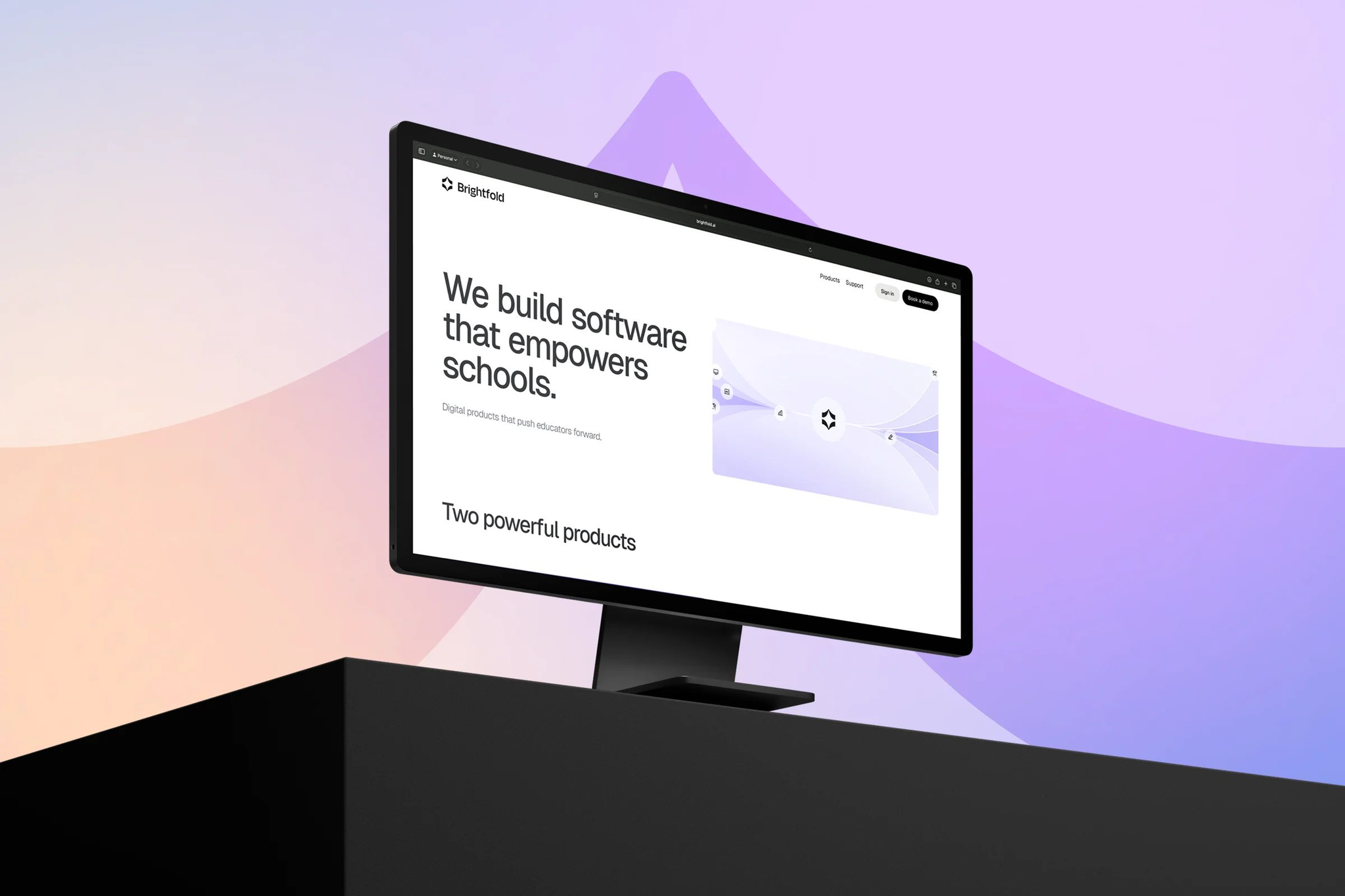
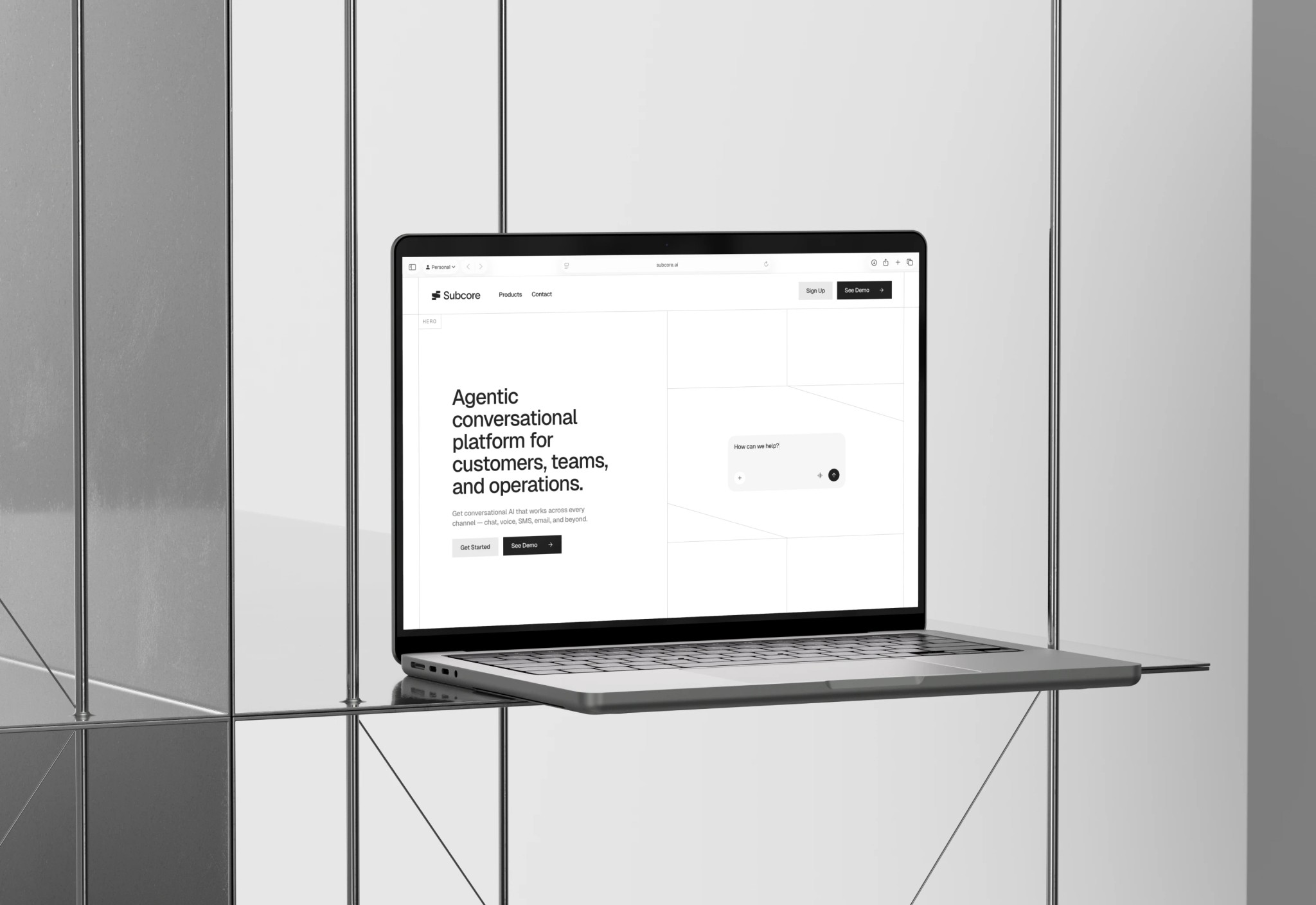
We reach for it when a client wants full control of their content infrastructure and already has the engineering capacity to run it. Subcore AI shipped a full marketing platform on it in two weeks under a conference deadline, and Brightfold and PQ ESSA both use it as the CMS behind a component-driven Next.js front end.

Why
Why Payload, and when
- It is code, so it is exactly what you defined
Content types and fields live in TypeScript, versioned in the same repository as the front end. PQ ESSA's team used that to define precise, custom content structures for a compliance product where a generic content model would not fit.
- Self-hosting means no CMS invoice, and no CMS support line
Brightfold's content infrastructure runs on their own hosting, which hands them full control and removes a recurring vendor bill. It also means when something breaks, it is your team's incident, not a support ticket into someone else's SaaS.
- It moves fast when the deadline is fixed
Subcore needed a marketing platform ready for a specific conference date. Payload's type-safe API and tight Next.js integration let us go from schema to shipped site in two weeks without content modeling becoming the bottleneck.
- Migrating onto it is a real option
PQ ESSA moved its entire front end from Nuxt to Next.js with Payload as the CMS underneath, trading a legacy stack for one with incremental static regeneration and full TypeScript support end to end.
The grain
Working with Payload, not against it
- You inherit the operations, not just the CMS
There is no vendor keeping Payload's database, backups, and uptime running for you. That responsibility moves onto whichever team owns hosting, a fair trade if you have that team and a real cost if you do not.
- It is not a canvas for marketing
Payload's admin UI edits structured fields well. It does not hand a non-technical marketer a drag-and-drop page, so if the ask is a page builder rather than a content model, this is the wrong tool for that job.
- The schema is only as good as the code review on it
Because content types are code, changing them goes through the same pull request process as everything else. That is a feature for consistency and a real bottleneck if marketing needs a new field faster than engineering can ship one.